Aviation
Wrenches and Wings: Launching the A&P Apprenticeship Track
Wings of Grace Ministries · October 14, 2025 · 3 min read · 9 reads
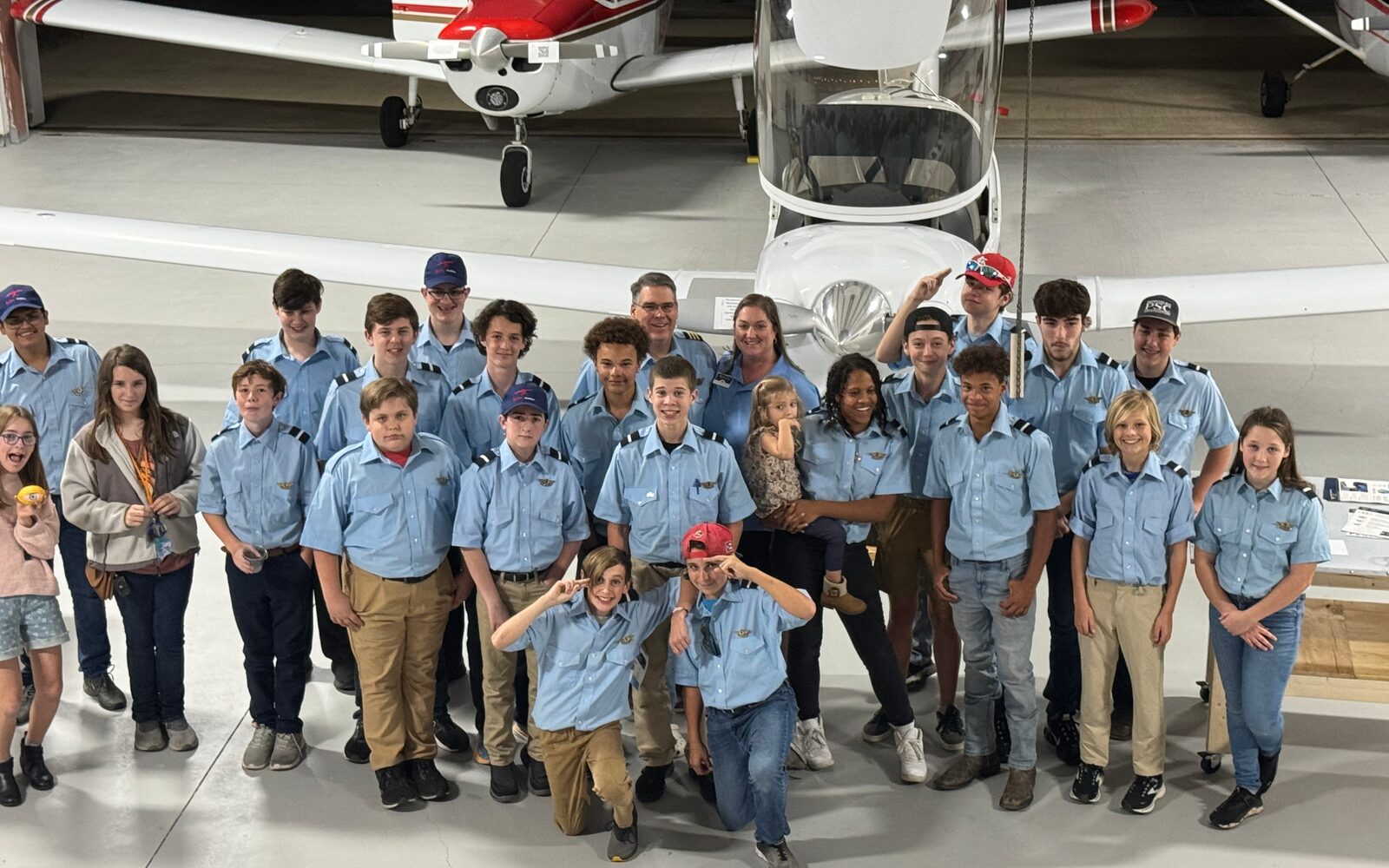
Not every student who loves airplanes wants to fly them. Some of them want to take them apart.
For years our aviation program had one on-ramp: the flight track. It served the cadets who dreamed of the left seat well, and it left everyone else on the outside of the fence. Starting this fall, that changes. We are launching a maintenance apprenticeship track aimed at students who would rather hold a torque wrench than a yoke.
The shortage nobody talks about
Aviation headlines are about pilots. The harder problem is mechanics. Industry projections consistently show a shortfall of tens of thousands of certificated airframe and powerplant technicians across North America over the coming decade, driven by an aging workforce and a training pipeline that has not kept up. Shops are turning away work. Aircraft sit on the ramp waiting for hands.
For a young person without a clear path after high school, this is not a statistic. It is an open door. A&P work is skilled, licensed, portable, and well paid, and it does not require a four-year degree or the debt that comes with one.
What the apprenticeship looks like
The track is built around supervised, documented work experience — the same experience the FAA recognizes on the path to A&P testing eligibility.
Shop fundamentals. Safety, tooling, fasteners, torque, safety wire, corrosion control, and the discipline of documentation. Apprentices learn early that in aviation, work that is not written down did not happen.
Systems rotations. Airframe structures, powerplants, electrical, fuel, and landing gear. Apprentices rotate so they see the whole aircraft rather than becoming a specialist in one bay before they understand the machine.
Logged hours under supervision. Every task is performed under the eye of a certificated mechanic and recorded, building toward the practical experience requirements that lead to testing.
Exam preparation. Structured study for the written, oral, and practical examinations, with tutoring built in rather than bolted on.
Why it fits our mission
Our aviation work has never really been about aviation. It is about giving a young person something legitimate to be good at, in the company of adults who show up consistently.
A maintenance bay is an unusually good place for that to happen. The work is tactile and immediate. Progress is visible at the end of every shift. A mistake has consequences you can see, which teaches accountability faster than any lecture. And the mentorship is natural: a mechanic and an apprentice standing over the same open cowling talk about a lot more than the engine.
We have also watched what happens to students who complete the flight track but cannot afford to continue toward a commercial certificate. The maintenance path gives them a way to stay in aviation, earn a real wage, and keep flying on the side. Several of our first apprentices are 2025 flight cadets.
Who can apply
Applicants must be at least sixteen, out of the program's introductory ground-school module or willing to complete it, and able to commit to a consistent weekly schedule. We ask for reliability rather than a transcript. We have learned that grades tell you very little about who will thrive in a shop.
Priority goes to students from foster care, single-income households, and families for whom trade-school tuition is out of reach. As with the flight track, apprentices pay nothing.
What we still need
Three things, in order of urgency.
Certificated mechanics who can supervise. This is the bottleneck. Every hour a licensed A&P gives us converts directly into logged, qualifying experience for a young person.
Tools and shop consumables. Safety wire, hardware, sealant, and the unglamorous supply list that keeps a bay running.
Employer partners. Shops willing to interview our apprentices when they finish. A certificate without a first job is only half a path.
The long view
If this works the way we believe it will, in five years there will be young adults in our region turning wrenches on aircraft who, at seventeen, had no idea a career like this existed and no way to reach it if they had.
That is worth building carefully. We are starting small — a handful of apprentices, closely supervised — because doing this poorly would be worse than not doing it at all. But we are starting.
The hangar door is open. Bring your tools.
Share this story
Copy the link and send it to someone who should read it.