Aviation
From Back Seat to Left Seat: Our 2025 Flight Take Off
Wings of Grace Ministries · February 11, 2025 · 4 min read · 8 reads
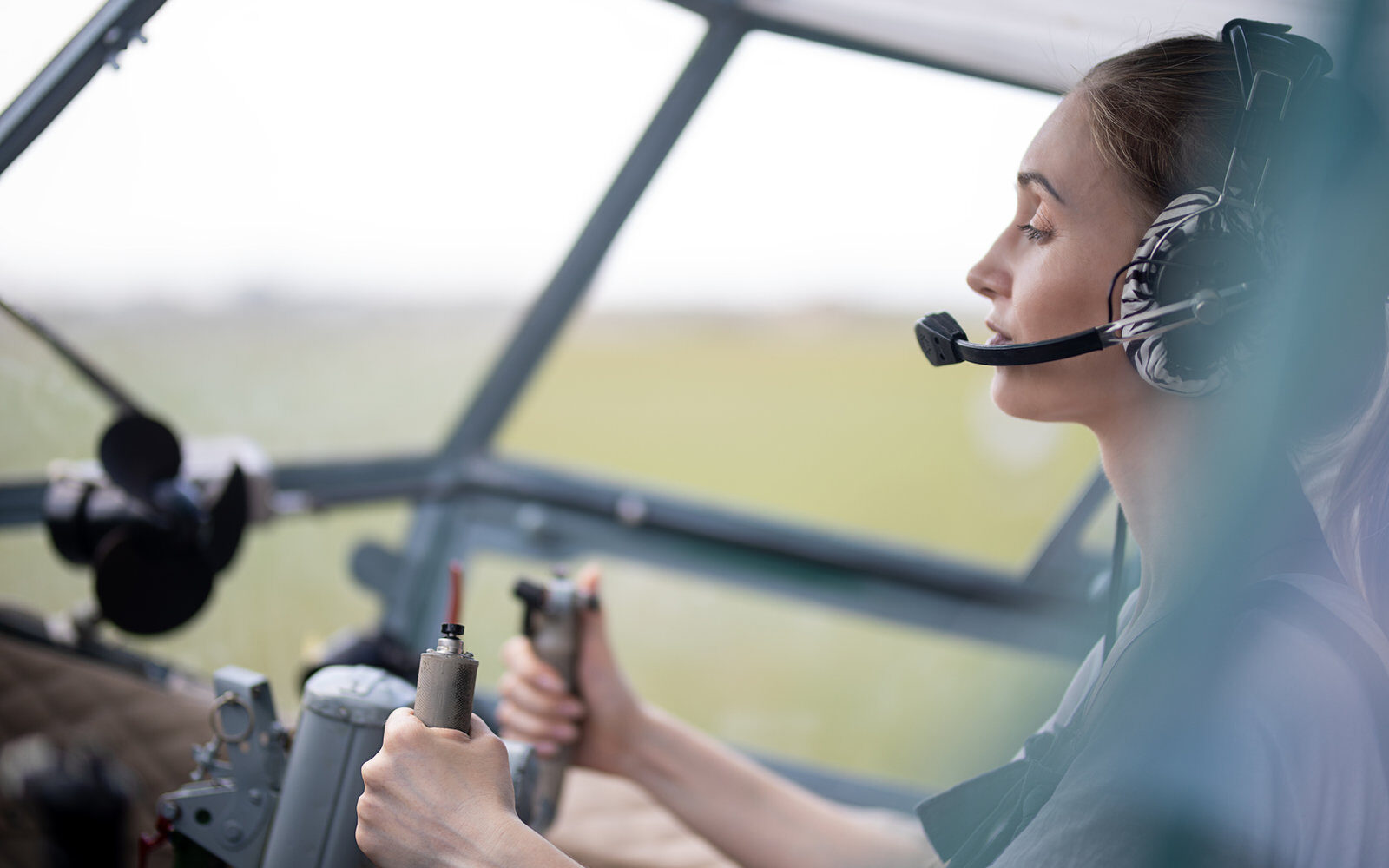
When a sixteen-year-old climbs into the right seat of a training aircraft for the first time, something quietly rearranges inside them. The runway stops being a stretch of pavement they have driven past a hundred times and becomes the beginning of a decision. That is the moment our flight program exists for.
Why we teach teenagers to fly
Wings of Grace Ministries did not start a flight program because the world needs more pilots, although it does. We started it because young people need something in front of them that is difficult, measurable, and worth the effort. Aviation is unforgiving of shortcuts. A checklist does not care about your mood. Weather does not negotiate. And a student who learns to hold altitude within fifty feet learns something about themselves that no classroom lecture will ever teach.
Our 2025 cadet class began in January with fourteen students. Most of them had never been in a small aircraft. Several had never been on a commercial flight. By the end of the year, four of them had soloed and every one of them had logged left-seat time with an instructor.
What the year actually looked like
The program runs in three phases.
Ground school. Twelve weeks of weather theory, airspace, aerodynamics, regulations, and radio work. We meet on weeknights, and we do not water it down. Cadets sit the same knowledge material that any private pilot candidate faces. The washout point is usually here, and that is by design: the students who push through ground school are the ones who will respect the aircraft.
Dual instruction. Each cadet flies with a certificated instructor. First flights are almost always the same: white knuckles on the yoke, over-controlling in the pattern, a hard swallow on the first crosswind landing. Then, somewhere around hour eight or ten, the aircraft stops flying the student and the student starts flying the aircraft.
Solo preparation. Pattern work, emergency procedures, and the endless repetition that builds a pilot who reacts correctly when things go wrong. We do not rush this phase for anyone.
Marcus, and the reason we keep going
One of our cadets — we will call him Marcus, because he is still in high school and would rather not be famous — came to us after a rough two years. School was a fight. Home was harder. He was, in his own words, "not really a school guy."
Marcus was the first cadet in the 2025 class to memorize the entire preflight checklist without notes. Not because someone made him. Because he wanted the airplane to trust him.
He soloed in September. His instructor stepped out of the aircraft on a Tuesday afternoon, said the words every student pilot waits for, and walked to the fence line to watch. Three takeoffs. Three landings. When Marcus taxied back, he sat in the airplane for a full minute before shutting down. His mother cried in the parking lot. So did two of our volunteers.
That is the whole thing, right there. A teenager who had been told in a dozen small ways that he was not capable found out, at 900 feet above the ground and entirely alone, that he was.
What it costs and how it is funded
Flight training is expensive. A single hour of dual instruction runs well over two hundred dollars in most markets, and a private certificate typically takes a student between sixty and eighty hours. That price tag is exactly why the students who would benefit most from aviation almost never get near it.
Every cadet in our program flies on scholarship. Donors cover aircraft time, instructor fees, headsets, textbooks, and testing costs. Not a single family in the 2025 class paid tuition. That is not a marketing line — it is the operating model, and it only works because people give.
What is next
The 2026 class opens applications in the fall, and we are expanding in two directions. First, we are adding a maintenance track for students who love the machine more than the flying — a path that leads to an A&P certificate and a career that is desperately short of workers. Second, we are building a mentorship layer so that every cadet has an adult in aviation who knows their name and checks in on them after the program ends.
If you want to be part of this, three things help most: fund an hour of flight time, volunteer as a ground-school tutor, or introduce us to a pilot who has time to give.
The aircraft is fueled. The cadets are ready. What they need is people who believe a first solo is worth paying for.
Share this story
Copy the link and send it to someone who should read it.