
Housing
The First Keys: Capernaum Place Welcomes Its First Residents
Wings of Grace Ministries · April 22, 2025 · 4 min read · 11 reads
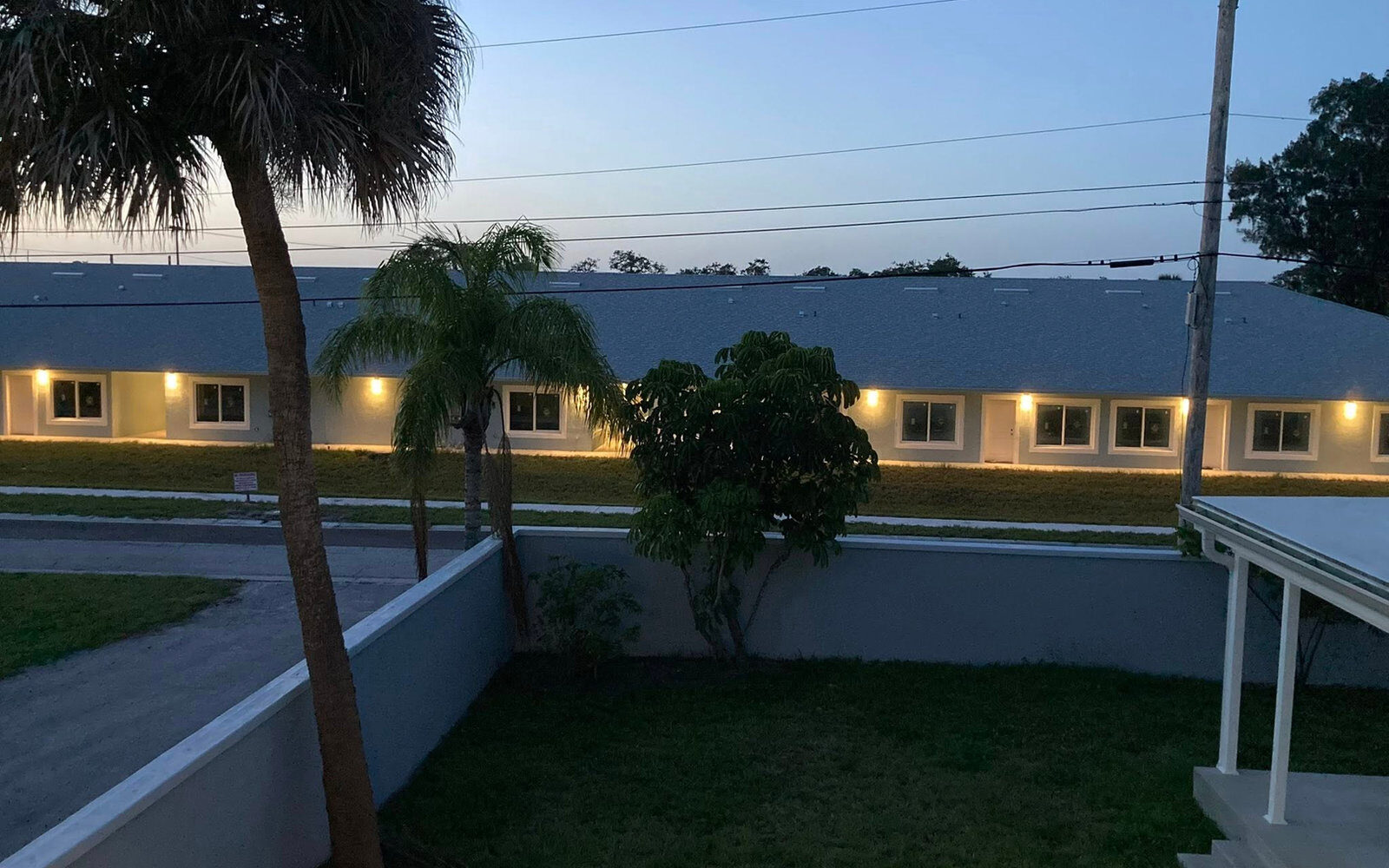
On a Saturday morning this spring, a young woman put a key into a lock, turned it, and walked into an apartment that was hers. She stood in the middle of the empty living room for a long moment. Then she asked, very quietly, whether she was allowed to paint the walls.
That question tells you almost everything about why Capernaum Place exists.
What happens when a young person ages out
Every year, roughly twenty thousand young people age out of foster care in the United States without being reunified or adopted. On a birthday — typically the eighteenth or twenty-first, depending on the state — the system's obligation ends. The caseworker closes the file.
What follows is well documented and grim. Within a few years of aging out, a large share of these young adults experience homelessness. Many do not finish high school. Employment is unstable, health care is sporadic, and the ordinary safety net that most young adults take for granted — a parent's couch, a co-signer, a small loan to cover a car repair — does not exist.
The problem is not usually a lack of ambition. It is a lack of margin. One missed paycheck, one broken transmission, one landlord who wants first, last, and deposit up front, and the whole thing collapses.
What Capernaum Place is
Capernaum Place is transitional housing paired with coaching for young adults who have aged out of foster care. It is not a shelter. Residents have their own apartments, their own keys, and their own front doors.
The model rests on four pieces.
Stable, affordable housing. Residents pay a program rent well below market, structured so that a first job actually covers living costs. Housing is the floor everything else stands on; without it, nothing else we do matters.
A life coach. Every resident meets regularly with a coach who helps with budgeting, employment, education plans, health care, documents, transportation, and the hundred logistical puzzles that a parent would normally help solve.
Community. Shared meals, neighbors who know each other, and adults who are present without being intrusive. Isolation is one of the most dangerous parts of aging out, and it is the part programs most often forget to address.
A savings requirement. A portion of each resident's income goes into savings they keep when they leave. The goal is not just stable housing today, but a deposit and a cushion for whatever comes next.
The first residents
Our first residents moved in this spring. They came with what fit in a car.
The furniture came from donors. Volunteers assembled beds, hung shower curtains, and stocked kitchens with the boring essentials that nobody thinks about until they are missing: a can opener, a laundry basket, a set of measuring cups, a broom.
The first weeks were not effortless. Independence is a skill, and no one is born with it. There were budgeting conversations that had to happen twice. There was a job that did not last. There was a night when someone needed a ride at an inconvenient hour, and someone else got in the car and went.
There were also small victories that mattered more than they sound. A first grocery run planned against a written budget. A first month's rent paid on time, in full, from earned wages. A resident who took a shift nobody wanted because they were saving for a car.
Why the model matters
Programs that offer housing without support tend to see people cycle back out. Programs that offer support without housing spend most of their energy managing crises created by instability. The combination is what changes outcomes, and the research on transitional housing with case management consistently points the same direction.
The other essential ingredient is time. A ninety-day program cannot undo eighteen years of upheaval. Capernaum Place is built to hold a resident long enough to establish work history, savings, and relationships that outlast the program.
How to help
We need three things.
Furnishing sponsors. Roughly the cost of outfitting one apartment: bed, table, seating, kitchen basics.
Employer partners. Businesses willing to hire and, more importantly, to be patient during the first ninety days of someone's first real job.
Monthly donors. Coaching is a salary line, and salary lines need predictable income. Recurring gifts are what make the coaching relationship possible.
And yes, she can paint the walls
We told her yes. She chose a soft green for the bedroom and did the work herself over two evenings, taping the edges carefully because she wanted it to look right.
A young adult who has never been allowed to make a permanent mark on a space is not asking about paint. She is asking whether this place is really hers, and whether she gets to stay.
The answer, this time, is yes.
Share this story
Copy the link and send it to someone who should read it.